
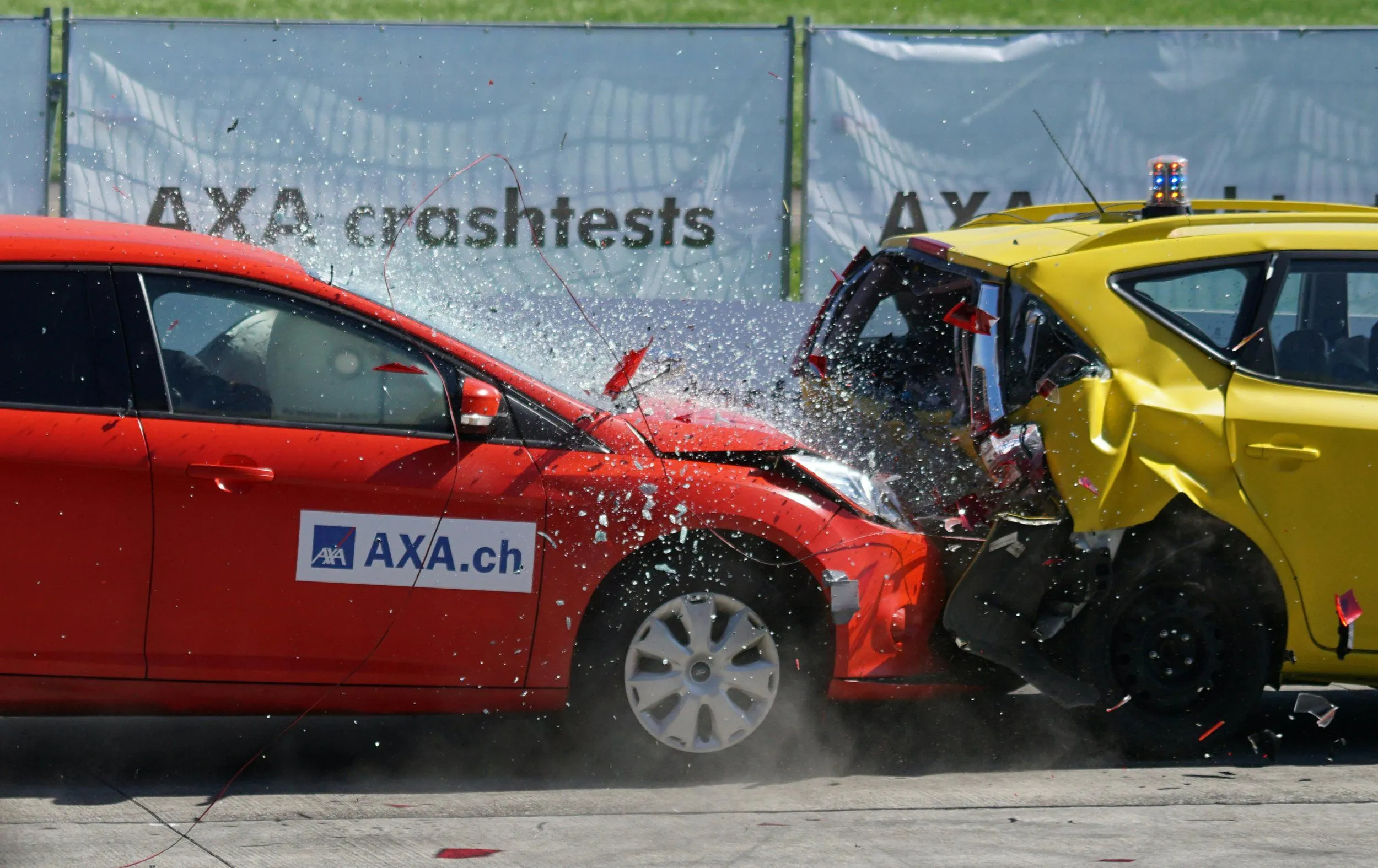
Steering wheel injuries happen when a driver’s body hits the steering wheel, or the airbag inside it, during a crash. They can involve the chest, including the breastbone and ribs, and the hands and wrists that hold the wheel as its airbag opens. Walking away from a crash does not rule out one of these injuries, so if your chest, hands, or wrists hurt after a collision, call Injury & Pain Physicians of San Antonio at (210) 399-2472 to have them checked.
How Does a Steering Wheel Injure the Chest?

In a crash, the car slows in an instant, and the driver’s chest can be thrown against the seat belt or the wheel. That force can break the breastbone, the flat bone in the center of the chest that doctors call the sternum. A 13-year study of sternal fractures links these breaks to direct blunt trauma from the seat belt or steering wheel in traffic accidents. Blunt trauma is a hard blow that does not break the skin.
A 2022 radiology review reports sternal fractures in 3.0% to 6.8% of motor vehicle collisions. When the fracture is the only injury, it is rarely linked to blunt cardiac injury, meaning damage to the heart from the blow. Short-term outcomes depend mainly on the injuries that come with the fracture, which the 13-year study lists as head injuries, spine and rib fractures, and lung and heart injuries.
A blow to the chest can also leave bruised ribs. The main symptoms are pain, swelling, and skin discoloration, and breathing, coughing, laughing, or sneezing can make the pain worse. Depending on the force of the blow, a bruised rib can come with other injuries, which are more likely after a car accident:
- Broken ribs
- Damage to the lungs
- Damage to the liver, spleen, or kidney
Can a Steering Wheel Airbag Injure Your Hands and Wrists?
Yes. A driver’s hands are on the wheel when its airbag opens, and the opening is fast and forceful. A 2024 case series and literature review on airbag hand injuries notes that published reports rank the upper limb, meaning the arm, wrist, and hand, as the first or second most commonly affected body part in airbag injuries.
The review describes three ways these injuries often happen:
- The arm is caught between the inflating airbag and the torso
- The arm or hand is thrown forcefully as the airbag opens
- The hand gets stuck in the spokes of the steering wheel
Reported injuries range from scrapes, bruises, and burns to fractures, and most affect soft tissue rather than bone. In the five cases the authors present, outcomes ranged from full recovery to lingering stiffness or nerve symptoms. These reports show how the injuries happen, not how often a crash leads to one.
Which Symptoms After Hitting the Steering Wheel Need Prompt Care?
Some chest symptoms need prompt attention. Contact a provider right away if a bruised rib comes with any of these warning signs:
- Pain that keeps you from breathing deeply or coughing, even with pain relievers
- Fever
- A cough, or more mucus when you cough
- Coughing up blood
- Shortness of breath
A rib fracture can lead to a collapsed lung, which can cause sharp chest or shoulder pain that gets worse with a deep breath or a cough, along with shortness of breath. Those symptoms are another reason to contact a provider.
If the head strikes the wheel, the crash can cause a concussion, and some of its symptoms may not appear for hours or days. Call 911 or go to an emergency department right away for concussion danger signs such as a headache that gets worse and does not go away, repeated vomiting, slurred speech, seizures, or one pupil larger than the other.
How Are Steering Wheel Chest Injuries Diagnosed and Treated?
Imaging confirms a sternal fracture. The radiology review calls computed tomography (CT), a detailed cross-sectional X-ray scan, the gold standard. An X-ray taken from the side is typically diagnostic as well, because most sternal fractures run across the bone. CT also finds other chest injuries in over 80% of patients with a sternal fracture from trauma.
A sternal fracture with no other injuries is generally mild, and conservative care, mostly pain relief, is enough for most patients. Healing from a bruised rib takes about 4 to 6 weeks. Imaging is rarely needed to confirm the bruise itself, though it may be used to look for a rib fracture that has shifted out of place or damage to internal organs.
Getting Care for Steering Wheel Injuries in San Antonio
A sore chest or a weak grip can turn ordinary tasks like driving, lifting, or sleeping through the night into a struggle. At Injury & Pain Physicians of San Antonio, our clinic uses diagnostic imaging, including X-rays, MRIs, and CT scans, to pinpoint the injury behind your pain, and our patients have access to in-house physical therapy with Therapy Associates of San Antonio. If you are dealing with steering wheel injuries, call (210) 399-2472 or contact us to schedule your evaluation today.